

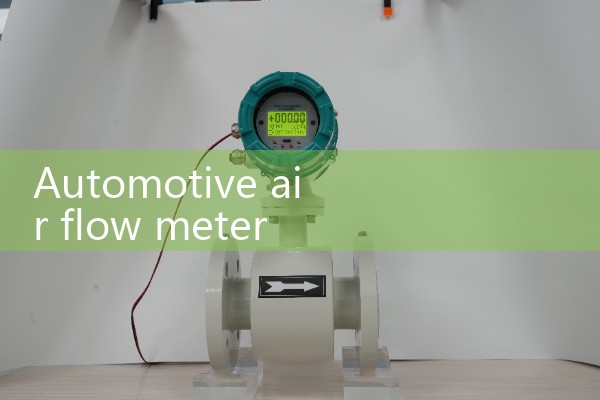
『Automotive air flow meter』Related information(clamp on meter|electromagnetic meter|venturi meterrotameter|orifice meter|ultrasonic flow meter|mass flow meter|coriolis mass flow meter|coriolis flow meter|magnetic flow meter|magmeter flow meter|magflow flow meter|mag meter flow meter|electromagnetic flow meter|vortex flow meter|turbine flow meter|thermal mass flow meter|thermal flow meter|rotameter flow meter)

1. What is the function of a car air flow meter?
The function of a car air flow meter is to detect the intake volume of the engine and transmit the data to the on-board computer (ECU) to assist the ECU in accurately controlling the fuel injection volume, ensuring efficient and stable operation of the engine. The specific function and impact are as follows: Core function: detect the intake air volume and transmit data. The air flow meter measures the amount of air entering the engine (such as mass or volume), converts the data into electrical signals, and transmits them to the ECU. ECU calculates the optimal fuel injection amount based on parameters such as intake volume, engine speed, temperature, etc., to achieve precise mixing of fuel and air. For example, when the intake volume increases, the ECU will synchronously increase the fuel injection volume; When the intake air volume decreases, the fuel injection volume decreases accordingly, thereby maintaining the ideal air-fuel ratio of approximately 14.7:1. Direct impact on engine performance: Idle control: If dust accumulates on the hot film resistor of the air flow meter, it will crack and form a thermal insulation layer, causing the temperature change to slow down when the intake volume increases. The ECU misjudges it as a decrease in intake volume and reduces fuel injection volume. At this time, the actual intake volume is large and the mixture is too lean, causing the engine to idle and shake. Acceleration and power output: Malfunction of the air flow meter may cause the ECU to be unable to adjust the fuel injection amount in a timely manner, resulting in slow acceleration response or insufficient power at high speeds. For example, during rapid accelerati
 Hot Blog
 Related AD