

『How to Clean Flow Meter: Flushing Scale and Chemical Buildup from Internal Linings』Related information(clamp on meter|electromagnetic meter|venturi meterrotameter|orifice meter|ultrasonic flow meter|mass flow meter|coriolis mass flow meter|coriolis flow meter|magnetic flow meter|magmeter flow meter|magflow flow meter|mag meter flow meter|electromagnetic flow meter|vortex flow meter|turbine flow meter|thermal mass flow meter|thermal flow meter|rotameter flow meter)
How to Clean Flow Meter: Flushing Scale and Chemical Buildup from Internal Linings
Quick Answer: Start with a clean water flush at 1.5 to 2.5 m/s for most inline meters. Then use a weak acid for scale or a dilute alkaline cleaner for organic and chemical buildup. Match the cleaner to the liner material. Never steam clean a PTFE or PFA lined meter unless the supplier confirms the temperature rating.
Scale and coating problems are common on magnetic flow meters, ultrasonic flow meters, Coriolis mass flow meters, oval gear meters, and vortex meters in oil and gas, water treatment, food and beverage, chemical, and marine service. A desalination plant in Saudi Arabia running a seawater flow meter will see calcium carbonate scale. A paint factory in Vietnam will see resin and solvent buildup. A wastewater station in regional Australia will see grease and ferric deposits. The cleaning method must change with the deposit type and the meter lining.
Why Scale and Chemical Buildup Reduce Accuracy
Flow meters measure velocity, mass, or volume. A thin coating on the liner or electrode changes the flow profile and can reduce accuracy. In a magnetic flow meter, a non-conductive coating on the electrodes can make the signal noisy. In an ultrasonic flow meter, scale on the transducer face reduces signal strength. In a Coriolis meter, coating inside the tubes changes the tube frequency and can cause a zero shift. Most maintenance teams notice a slow drift before the meter fails completely.
Here is the thing. Chemical buildup is not only an accuracy problem. It also increases pressure drop. If line pressure stays the same but flow drops, check the meter bore first. We have seen this many times on customer sites.
First Step: Clean Water Flush
Before any chemical, flush the meter with clean water at 1.5 to 2.5 m/s if the pipe size allows. Run the flush for 15 to 30 minutes. For a DN50 meter, this means about 11 to 18 m³/h. For a DN100 meter, this means about 42 to 71 m³/h. If the meter is installed in a vertical line, flush upward. This helps move solids out of the sensing area.
In practice, many plants skip the water flush and go straight to acid. That works sometimes. But it can make a thick organic layer soft and sticky without removing it. So flush with water first. Do not use a pressure washer directly on a removed liner. A pressure washer can cut PTFE or delaminate rubber.
Chemical Flushing Rules by Liner Material
Match the cleaner to the deposit and the liner. For calcium carbonate and hardness scale, use 2 to 5 percent citric acid or 1 to 3 percent acetic acid at 40 to 50 °C. Circulate for 30 to 60 minutes. For iron oxide scale, use 5 to 10 percent sulfamic acid at 50 °C. These mild acids work well on PTFE, PFA, EPDM, and ceramic liners.
For organic fouling, oil, grease, polymer, or paint residue, use 1 to 2 percent sodium hydroxide at 40 to 50 °C. Then rinse with clean water. Do not use strong solvents on EPDM or natural rubber liners unless the material compatibility chart allows it.
A common mistake is using hydrochloric acid on a stainless steel meter body or on Hastelloy electrodes. Hydrochloric acid can pit the body and destroy electrodes, even if the liner itself survives. Use citric acid or sulfamic acid instead.
For ultrasonic flow meters with clamp-on transducers, do not flush chemicals through the transducer surface. Clean the pipe surface and use the manufacturer recommended couplant. For inline ultrasonic meters, follow the same liner rules as a magnetic flow meter.
Meter Type Specific Notes
Magnetic flow meters with PTFE or PFA liners tolerate most mild acid and alkaline cleaning. Pay attention to the electrodes. A Silver Automation Instruments electromagnetic flow meter with a soft rubber liner can handle slurry but not hot organic solvents. Keep the cleaning temperature below the liner rating.
Coriolis mass flow meters can be flushed at high velocity because the tubes are metal. But a thick coating inside the tubes will not always dissolve with a short flush. Before flushing, check the mass flow rating in kg/h. A very high flush velocity can
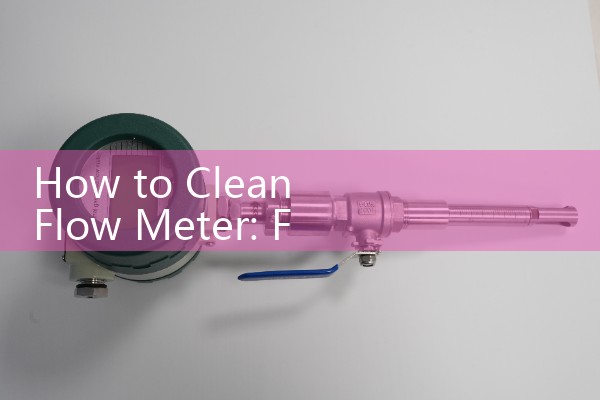
Oval gear flow meters for diesel, paint, or adhesive service often need a solvent flush between batches. Close the bypass valve and circulate a compatible solvent at low pressure. Because oval gear meters have tight clearances, any hard particle can jam the gears.
Vortex flow meters usually have a bluff body that can collect scale. Flushing with water may not remove hard scale from the bluff body. In some cases the meter must be removed for mechanical cleaning. But never grind or scrape a vortex bluff body. This changes the shedding frequency and ruins the calibration.
When to Remove the Meter for Cleaning
Most inline flushing works for light scale and soft organic buildup. But if pressure drop stays high after two chemical flushes, or if the meter signal is still noisy, remove the meter and inspect the internal lining. For a magnetic flow meter, check the electrodes with a soft cloth and mild acid. For a Coriolis meter, look for hard coating at the tube bends.
Do not use wire brushes on the flow path. Do not use a torch to burn off polymer. These methods damage the meter and void the warranty.
Verification After Cleaning
After flushing, run water through the meter and compare the reading against a known reference, such as a calibrated clamp-on ultrasonic meter or a weigh tank. Check the 4-20 mA output and HART diagnostic values. A healthy magnetic flow meter should have a stable flow signal and no empty pipe alarm. If the meter has conductivity monitoring, compare the process fluid value against the expected value in µS/cm. A drop can mean air or coating on the electrodes.
So the rule is simple. Flush first with water, then use a matched chemical cleaner, then verify the output.
Silver Automation Instruments Flow Meters for Dirty Fluids
Silver Instruments supplies electromagnetic flow meters, ultrasonic flow meters, Coriolis mass flow meters, vortex flow meters, and oval gear flow meters for water, wastewater, oil and gas, chemical, and food plants. Common sizes range from DN15 to DN1200. Liner options include PTFE, PFA, EPDM, polyurethane, and ceramic. Output options include 4-20 mA HART, MODBUS, and pulse. Several models are available with ATEX Zone 1 approvals for hazardous areas.
If you need a replacement meter or a cleaning recommendation, send us your pressure (bar), temperature (°C), pipe size (DN), and flow range. Tell us the process fluid and the deposit type. We usually reply with a cleaning procedure or a meter selection within 24 hours.
Tel: +86-25-68650347
Whatsapp: +86-25-52155837
WeChat: +86 15365082610
FAQ: Cleaning Flow Meters and Internal Linings
What is the safest first step to clean a magnetic flow meter?
Start with a clean water flush at 1.5 to 2.5 m/s for 15 to 30 minutes. This removes loose solids before chemical cleaning.
Can I use hydrochloric acid on a PTFE liner?
PTFE itself resists hydrochloric acid, but the meter body and electrodes may not. Use citric acid or sulfamic acid for scale instead.
How often should we flush a magnetic flow meter on a slurry line?
Flush with clean water after every batch or at least once per shift if the slurry settles quickly. High solids can pack around the electrodes.
Does flushing remove accuracy drift from coating?
Flushing removes loose coating and some soft buildup. Hard scale or polymer coating may require a matched chemical cleaner and circulation time. Verify the meter after cleaning.
When should we remove the meter from the pipe for cleaning?
Remove the meter if pressure drop stays high after two chemical flushes, if the signal is still noisy, or if inspection through a flange is possible. Do not use abrasive tools on the liner or bluff body.
 Hot News
 Related AD