

『Soap Stock Oil Flow Meter Chemical Recovery System Tuning』Related information(clamp on meter|electromagnetic meter|venturi meterrotameter|orifice meter|ultrasonic flow meter|mass flow meter|coriolis mass flow meter|coriolis flow meter|magnetic flow meter|magmeter flow meter|magflow flow meter|mag meter flow meter|electromagnetic flow meter|vortex flow meter|turbine flow meter|thermal mass flow meter|thermal flow meter|rotameter flow meter)
Soap Stock Oil Flow Meter Chemical Recovery System Tuning
Quick Answer
Soap stock oil flow meter tuning in a chemical recovery system focuses on managing high viscosity, acid corrosion, and wax deposits. Silver Automation Instruments supplies oval gear flow meters with PTFE seals and 4-20 mA HART output for these harsh conditions. Send your flow rate in kg/h, pipe size in DN, and temperature in °C to receive a formal quote within one business day.
What Is Soap Stock Oil and Why Flow Measurement Is Critical
Soap stock is a byproduct of vegetable oil refining. It contains water, gums, and some residual oil. Chemical recovery plants pump this soap stock into acidulation reactors. The mixture reacts with sulfuric acid to split into acid oil and wastewater. Measuring the soap stock feed rate directly affects acid consumption and oil yield. A flow meter that drifts or clogs will cause wrong acid dosing. The result is lower recovery and higher chemical cost.
We have seen this at a palm oil recovery plant in Indonesia. Their turbine meter failed every six weeks because of sticky deposits. They switched to an oval gear meter and now clean it only during planned shutdowns. This is a typical story.
Why Oval Gear Flow Meters Fit Soap Stock Applications
Oval gear meters are positive displacement. They measure viscous fluids accurately even at low flow. Soap stock viscosity often ranges from 200 cP to 1500 cP at 60 °C. Electromagnetic meters need a minimum conductivity. Ultrasonic meters struggle with solids and air bubbles. But oval gear meters push the fluid chamber by chamber. Accuracy stays within 0.5% of reading.
Our OGM series oval gear flow meter comes in DN15, DN20, DN25, DN40, and DN50 sizes. Standard body is cast steel. For acid resistance we supply internal gears in PPS or with PTFE coating. Seals are Viton or PTFE. The transmitter outputs 4-20 mA HART, pulse, or RS485 Modbus. Display shows totalizer and rate. You can set high and low flow alarms.
Chemical Recovery System Tuning: Practical Steps
In practice, tuning a soap stock meter means verifying the zero point, checking for air in the line, and matching output with a manual weigh scale. Most engineers skip the zero check. They trust the factory calibration. That works until the meter shifts because of pipe stress or sediment. At the site we always recommend a wet calibration using actual soap stock, not water.
Here is the thing: soap stock cools down in the pipe at night. It forms a wax layer. When you restart the pump in the morning, the meter may read high for 10 to 15 minutes until temperature stabilizes. You can solve this by heat tracing the meter body to 70 °C. Or use a meter with integrated PT100 and density compensation in the transmitter. Our OGM-T model includes a PT100 sensor and calculates mass flow directly.
Real Customer Case: Soap Noodles Factory in Vietnam
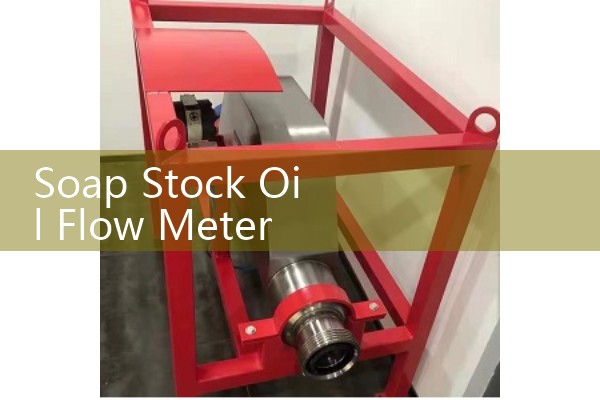
Last year a soap noodle factory in Vietnam contacted us. They needed to measure soap stock flow into their acidulation tank. Pipe size was DN25. Flow range 300 to 800 kg/h. Temperature 60 to 80 °C. Viscosity around 400 cP. They also pumped diluted sulfuric acid through a separate line. We proposed two OGM-25 oval gear meters with PTFE linings and PTFE seals. One meter for soap stock, one for acid. Both with 4-20 mA HART output to their PLC.
The installation
Preventing Common Issues: Deposition and Corrosion
Deposition is the main enemy. Soap stock leaves a fatty film. Combined with trace acid, it hardens. This blocks the rotor. We advise installing a Y strainer upstream with 20 mesh. Clean the strainer weekly. Use bypass piping so you can remove the meter for inspection without stopping production. For corrosion, select wetted parts carefully. 316 stainless steel handles most soap stock. But if free fatty acid content is high, choose Hastelloy C22 or PTFE coated parts. Silver Automation Instruments provides material certificates with every shipment.
When to Choose a Coriolis Meter Instead
Oval gear meters work for 90% of soap stock lines. But if you need mass flow measurement directly in kg/h with density and temperature compensation in one device, a Coriolis flow meter fits better. Our SCF Coriolis series handles DN3 to DN25. They tolerate viscosities up to 50000 cP. No moving parts in the flow stream. They withstand acid wash downs. Price is higher but they eliminate the need for separate density meters. For custody transfer or reactor feed ratio control, many engineers pick Coriolis.
Output and Connectivity
All our soap stock flow meters offer 4-20 mA HART as standard. You can add pulse output for totalization. Modbus RTU is available for digital integration with SCADA. Silver Instruments meters come with free PC configuration software. Set the K factor, damping, units, and alarm thresholds. No need for a handheld communicator unless you prefer it.
How to Get a Quote
Tell us your operating conditions. We need flow range (min, normal, max) in kg/h or L/h, pipe size in DN, fluid temperature in °C, viscosity in cP, and pressure in bar. Also confirm if there is any acid or caustic present. Send this to our sales team. They will select the right meter, confirm lead time, and send a quotation with freight cost to your city. Typical reply time is under 6 hours during business days.
Frequently Asked Questions
What type of flow meter is best for soap stock oil? Positive displacement meters, mainly oval gear. They handle high viscosity and low flow without slip. Coriolis meters are an option for mass flow if budget allows.
How often should we recalibrate the flow meter? Once a year is enough for most plants. If you pump abrasive acid slurry, check every six months. We can supply a master meter for on site verification.
Does the chemical recovery process cause meter corrosion? Yes, especially when sulfuric acid is present. Choose PTFE lining or Hastelloy parts. Standard 316 stainless works for mild conditions. Always specify your acid concentration when ordering.
Can the meter handle startup wax deposits? Yes, with heat tracing and periodic cleaning. The OGM-T with PT100 and temperature compensation reduces startup errors. One Indonesian customer reduced startup drift from 8% to under 1% using this method.
What output signals does Silver Instruments provide? 4-20 mA HART, pulse, and RS485 Modbus are standard. We can add a local display with backlight. Alarm outputs for high and low flow are optional.
 Hot News
 Related AD