

『Immersion flowmeter』Related information(clamp on meter|electromagnetic meter|venturi meterrotameter|orifice meter|ultrasonic flow meter|mass flow meter|coriolis mass flow meter|coriolis flow meter|magnetic flow meter|magmeter flow meter|magflow flow meter|mag meter flow meter|electromagnetic flow meter|vortex flow meter|turbine flow meter|thermal mass flow meter|thermal flow meter|rotameter flow meter)
1. Types of thermal mass flow meters
Thermal mass flow meters mainly have three core types: thermal distributed, immersion, and heat dissipation, which are suitable for scenarios such as small flow rates, large diameter pipelines, and fast response. 1. The thermal distributed mass flowmeter measures flow rate by utilizing the changes in heat transfer when the fluid passes through a temperature field. The core components include a heating sensor and a temperature measurement sensor. Its characteristics include: • Lightweight structure, particularly suitable for detecting small flow rates (such as upgrading gas at tens of millimeters per minute) - often used in high-precision fields such as gas purity analysis and semiconductor etching processes. 2 Immersion thermal mass flowmeter operates by directly contacting the fluid with a probe inserted into the pipeline, and has a dual element structure (heater and temperature measurement unit). Typical features include: • Suitable for large pipe diameters and can be installed in pipelines with a diameter of DN200 or more - widely used in industrial scenarios such as petroleum refining tail gas monitoring and power plant gas metering. 3 The heat dissipation mass flow meter is based on the corresponding relationship between the power consumption of the heating element and the flow rate, and dynamically adjusts the power supply to maintain the constant temperature of the element during operation. The outstanding advantage lies in: • Millisecond level response speed, meeting the real-time requirements of process control - suitable for working conditions that require rapid feedback such as compressed air metering, boiler combustion gas regulation, etc.
2. What sensors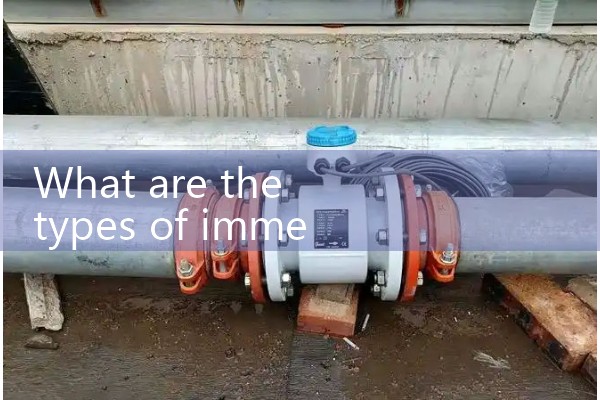
Essential components for cars include engine speed sensors, fuel level sensors, water temperature sensors, speed sensors, which are connected to instruments or indicator lights. Advanced cars also have these sensors.. Catalytic converter sensor, electronic ignition sensor, fuel injection device sensor, anti lock braking device sensor, airbag sensor, such as intake temperature sensor, airway pressure sensor, cooling water temperature sensor, fuel injection pressure sensor, engine load sensor, knock sensor, misfire sensor, oxygen content sensor in exhaust gas, sensor for determining seat position, airbag collision sensor, acceleration sensor, passenger position weight sensor, quick start oxygen sensor, side slip sensor, piezoelectric resonant angular velocity sensor, immersion high-pressure sensor, direct heating detection sensor, oil viscosity sensor, SST wheel sensor Magnetic sensitive speed sensors, such as top mounted airbags and more sophisticated side mounted head airbags, require additional sensors, anti lock braking systems, and suspension control devices to measure the speed of damaged wheels, road surface height differences, and tire pressure, as well as sensors for the speed and position of various parts (such as vehicle speed, throttle opening, camshaft, crankshaft, transmission angle and speed, exhaust gas recirculation valve (EGR)) As for other small functions such as car doors, sunroof, glass, automatic high and low lights, small lights, etc., they are not listed. For sensors that are prone to failure, there will be indicator lights on the dashboard, and for sensors that are not prone to failure, the corresponding code can be read out on a computer detector. To und
 Hot News
 Related AD