

 Current position > News detail
『Rosemount Magnetic Flow Meter: Industrial Electromagnetic Sensors』Related information(clamp on meter|electromagnetic meter|venturi meterrotameter|orifice meter|ultrasonic flow meter|mass flow meter|coriolis mass flow meter|coriolis flow meter|magnetic flow meter|magmeter flow meter|magflow flow meter|mag meter flow meter|electromagnetic flow meter|vortex flow meter|turbine flow meter|thermal mass flow meter|thermal flow meter|rotameter flow meter)
Rosemount Magnetic Flow Meter: Industrial Electromagnetic Sensors – Real Specs and Replacement Options
Quick Answer: Rosemount magnetic flow meters use industrial electromagnetic sensors to measure conductive liquids with no moving parts and no pressure drop. The 8700 series works in tough environments, from chemical dosing to seawater intake. If your project needs a long lasting flow meter but requires a better price, Silver Automation Instruments can supply equivalent magnetic meters with PTFE, PFA, or hard rubber liners and electrode materials that match your process exactly.
How Rosemount Electromagnetic Sensors Work in Daily Operation
The measuring principle is Faraday’s law. A pair of coils generates a magnetic field across the pipe section. When conductive liquid flows through it, a voltage is induced. Two electrodes pick up that tiny voltage and send it to the transmitter. Most Rosemount mag meters use pulsed DC excitation. This reduces electrochemical noise and keeps the zero point stable, even with low conductivity fluids like demineralized water or glycol mixtures.
In practice, a chemical plant in Vietnam runs a Rosemount 8732EM with a DN50 PTFE lined sensor on 30 percent sodium hydroxide at 4 bar and 40 degrees C. The flow signal goes out as 4-20 mA HART directly to their PLC. Because the PTFE liner handles the caustic without swelling, the sensor has been in service for five years with no liner failure. For a similar application but with limited budget, our engineers recommend a Silver Instruments mag meter with PTFE liner and Hastelloy C electrodes. The signal output and accuracy meet the same 0.5 percent of reading requirement.
Sensor Construction and Material Choices That Matter
Electromagnetic flow sensors are built around three main wetted parts: the liner, the electrodes, and sometimes a grounding ring. Rosemount offers liners in PTFE, PFA, ETFE, hard rubber, and ceramic. Electrode materials include 316L stainless steel, Hastelloy C, titanium, tantalum, and platinum. For seawater or brine you see Hastelloy C or titanium most often. A desalination plant in Oman uses DN300 Rosemount 8705 sensors with PTFE liner and Hastelloy electrodes, running at 15 bar and 35 degrees C. The line size goes up to DN1200 for large raw water mains.
Silver Instruments supplies magnetic flow sensors with the same liner and electrode options. For a wastewater lift station in the Philippines, we supplied a DN200 hard rubber lined sensor with 316L electrodes and a 4-20 mA plus pulse output transmitter. The total cost was nearly 40 percent lower than the Rosemount solution they had quoted before. The sensor required no recalibration for 18 months.
Key Performance Parameters You Should Check
When reading a Rosemount magnetic flow meter datasheet, several numbers catch the engineer’s eye. Standard accuracy is plus minus 0.5 percent of reading for flow velocities between 0.3 and 12 m/s. Minimum fluid conductivity is 5 microS per cm for most models, but specific sensors can go down to 0.2 microS per cm. Process temperature range with PTFE liner is from negative 25 degrees C to 150 degrees C. Pressure ratings go from PN16 up to PN40, and some flanged versions reach ANSI Class 600. Empty pipe detection, electrode diagnostics, and bidirectional flow measurement are standard in the 8732 transmitter.
Most engineers skip the marketing fluff and check one thing: does the meter perform on start up with real fluid and real pipe conditions. We have learned from customer sites that grounding is critical, especially on plastic or lined pipes. A paint manufacturer in Indonesia installed a DN25 magnetic flow meter to batch water and latex emulsion. Without proper grounding rings, the reading drifted by 6 percent. After adding stainless steel grounding rings, the reading stayed within 0.4 percent. Both Rosemount and Silver Instruments manuals clearly explain grounding requirements, but an installer should never skip this step.
Industrial Sectors and Real World Installations
You will find Rosemount electromagnetic flow meters in water treatment plants, food and beverage batching, pulp and paper stock lines, mining slurry, and chemical injection. In the Middle East, a district cooling plant uses Rosemount mag meters on chilled water loops with propyle
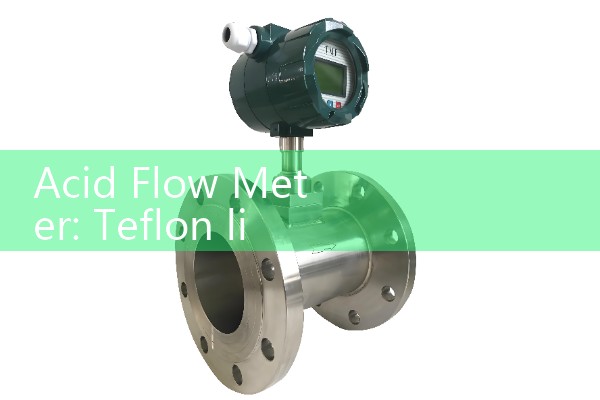
Marine applications also rely heavily on electromagnetic sensors. Ballast water treatment systems on ships use compact DN15 to DN50 mag meters to control dosing pumps. Rosemount has specific marine approvals, but some shipyards in Turkey and Greece look for cost effective alternatives that still meet IMO standards. Silver Instruments builds compact mag meters with IP68 sensors and polyurethane cables that survive salt spray and vibration. If you work on a ballast water system, you can send us your pipe schedule and we will propose a direct fit sensor.
How to Get a Quote for a Magnetic Flow Meter That Fits Your Process
When you contact Silver Instruments, we do not ask for a purchase order right away. We want four simple details from your process: pipe diameter in DN, fluid name and conductivity in microS per cm, temperature and pressure range, and required liner and electrode material. If you are not sure about material, tell us the fluid and its concentration. Our engineers have sized meters for phosphoric acid at 85 percent, hot wort in breweries, and drilling mud with up to 15 percent solids.
Reach our team directly: Email [email protected], telephone +86-135-1213-1526, or WhatsApp 86-135-12131526. For Chinese speaking customers, WeChat +86 13512131526 is active during business hours, Beijing time. Our online store at flow-meter.com.au shows standard models, but many industrial sensors are built to order.
Frequently Asked Questions About Industrial Electromagnetic Flow Meters
What is the minimum fluid conductivity for a magnetic flow meter?
Most industrial electromagnetic flow meters need at least 5 microS per cm. Rosemount offers special sensors that go down to 0.2 microS per cm. Silver Instruments builds standard meters for 5 microS per cm and optional low conductivity versions for demineralized water and glycol mixtures.
Can I use a magnetic flow meter for custody transfer applications?
Yes. Rosemount has models with custody transfer approvals like OIML R49 or MI-001. Silver Instruments can provide meters with MID certification or factory calibration certificates traceable to national standards. Specify your local legal metrology requirements when you send an enquiry.
How do I select the right liner and electrode material?
Choose the liner based on chemical compatibility and temperature. PTFE works with most acids and caustics up to 150 degrees C. Hard rubber is good for abrasive slurries at lower temperatures. Electrodes must resist corrosion and galvanic effects. Hastelloy C suits many chemicals, while titanium handles seawater. Send us the complete fluid name and concentration, and we will recommend the exact combination.
Do you offer a direct replacement for a Rosemount 8705 flow sensor?
In many cases, yes. Silver Instruments can match the face to face dimensions of the Rosemount 8705 series and provide the same liner and electrode options. Output signals, including 4-20 mA HART and pulse, are configured to your existing system. Please provide the Rosemount model code from the sensor nameplate so we can cross reference the exact specification.
What is your typical delivery time for an electromagnetic flow meter?
Small sizes from DN10 to DN100 with common PTFE or hard rubber liners usually ship within 2 weeks. Large sensors up to DN2000 and special materials like tantalum electrodes need 4 to 6 weeks. We always confirm the lead time after checking the raw material stock. Rush orders for a single meter can often be expedited if you let us know your shutdown date.
Silver Automation Instruments supplies calibrated magnetic flow meters to water, chemical, food, and marine projects in over 40 countries. To discuss your next flow measurement task, send us an email at [email protected] with your pipe size, fluid, and process conditions. You will receive a detailed quotation within one working day.