

 Current position > News detail
『Advantages and Disadvantages of Electromagnetic Flow Meter: Magmeter Pro/Con Sizing』Related information(clamp on meter|electromagnetic meter|venturi meterrotameter|orifice meter|ultrasonic flow meter|mass flow meter|coriolis mass flow meter|coriolis flow meter|magnetic flow meter|magmeter flow meter|magflow flow meter|mag meter flow meter|electromagnetic flow meter|vortex flow meter|turbine flow meter|thermal mass flow meter|thermal flow meter|rotameter flow meter)
Electromagnetic Flow Meter Advantages Disadvantages and Sizing Guide
Quick Answer: A magnetic flow meter is a good fit for conductive liquids like water, wastewater, acids, and slurries. It delivers high accuracy, no moving parts, and no pressure drop. Sizing requires pipe diameter, flow velocity, liquid conductivity, pressure, and temperature.
If you buy flow meters for a water plant, a chemical line, or a food process, this guide gives practical pros and cons plus sizing steps used by Silver Automation Instruments engineers.
What Is an Electromagnetic Flow Meter
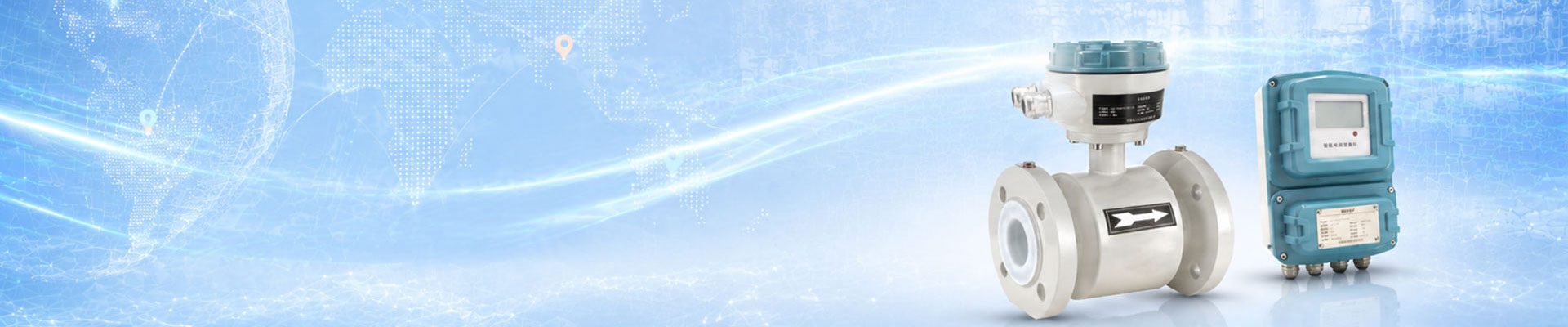
An electromagnetic flow meter measures volumetric flow using Faraday law. The meter creates a magnetic field across the pipe. Conductive liquid moving through the field generates a small voltage. Electrodes pick up that voltage. The transmitter converts it to a flow rate. There are no moving parts and no flow obstructions.
Key Advantages of Magnetic Flow Meters
Accuracy on conductive liquids is the main benefit. Typical accuracy is 0.2 percent to 0.5 percent of reading. A wastewater plant in Vietnam replaced aging propeller meters with DN300 magmeters from Silver Instruments. Measurement drift during wet weather bypass events went down. Repeatability on sludge lines stayed within 0.1 percent.
No moving parts means low maintenance. There is no rotor to jam and no bearing to wear. A food processor in the Philippines uses a DN50 sanitary magmeter on a yoghurt line. The meter runs two shifts per day with CIP cycles at 90 °C. The only maintenance is periodic electrode inspection.
No pressure drop helps low pressure systems. Magmeters are full bore or slightly reduced bore. A DN100 full bore meter adds no measurable pressure loss. This saves pump energy on long transfer lines.
Magmeters handle dirty fluids. A mining site in Western Australia meters abrasive slurry with a rubber lined magmeter. The meter has run for 14 months without liner replacement. Bidirectional flow measurement comes standard on most transmitters.
Key Disadvantages and Limits
The biggest limit is conductivity. A magmeter cannot measure oil, diesel, gas, steam, or ultra pure water with conductivity below 1 µS/cm. A refinery in Malaysia tried a magmeter on a diesel line and the reading stayed at zero. Use a Coriolis mass flow meter or an oval gear flow meter for oil.
Magmeters require a full pipe. If the pipe partially drains, the electrodes lose contact with liquid and the reading becomes unstable. Install magmeters in low points or vertical runs with upward flow.
Temperature and pressure limits depend on liner and electrode materials. PTFE liner handles up to 120 °C and PN16. PFA liner can reach 180 °C. High temperature and vacuum combined can deform a PTFE liner. Check the pressure temperature curve from the supplier.
Grounding is mandatory. Magmeters need good electrical contact with the process liquid. In plastic or internally lined pipes, use grounding rings or grounding electrodes. Without proper grounding, the output becomes noisy.
Magmeter Sizing for Process Conditions
First check flow velocity. Most magmeters read accurately between 0.5 and 10 meters per second. Keep normal flow between 1 and 3 meters per second for long liner life. Below 0.2
_600x400.jpg)
Use the flow range to pick the right DN. For a seawater desalination feed line with 800 cubic meters per hour at 2.5 meters per second, a DN300 meter fits. For a 5 cubic meter per hour chemical line, DN40 gives about 1.1 meters per second.
Conductivity must be above the meter threshold. Most Silver Instruments magmeters work with liquids above 5 µS/cm. Some models read 1 µS/cm for demineralized water. Acids and caustics are fine. Solvents and oils are not.
Process pressure and temperature drive liner choice. For ambient water, hard rubber liner works up to 80 °C. For CIP cleaning at 130 °C, choose PFA. For abrasive slurry, choose polyurethane or soft rubber. Electrode material matters too. 316L is standard for water. Hastelloy C works for acids. Titanium works for seawater with chlorine.
Output and approvals need to match the site. Most plants use 4 to 20 mA with HART. Hazardous areas need ATEX Zone 1 or IECEx. A chemical plant in Saudi Arabia ordered DN80 magmeters with ATEX Zone 1, 4 to 20 mA HART, and PFA liner. Silver Instruments supplied ten units with calibration certificates.
Recommended Magmeter Models from Silver Instruments
Silver Instruments supplies electromagnetic flow meters from DN10 to DN2000. Remote and compact versions are available. Standard accuracy is 0.5 percent of reading. A 0.2 percent version is available on request. Liners include PTFE, PFA, hard rubber, soft rubber, and polyurethane. Electrodes include 316L, Hastelloy C, titanium, and tantalum. For water and wastewater, choose the SIL-EMF series with rubber liner and 316L electrodes. For chemical dosing, choose the SIL-EMF-C with PTFE liner and Hastelloy C electrodes. For food and beverage, choose the sanitary version with PFA liner and tri clamp connections. Send us your flow range and pipe size and we will recommend a model with price.
Frequently Asked Questions
Can a magnetic flow meter measure oil or diesel?
No. Oil and diesel have no electrical conductivity. Use a Coriolis mass flow meter or oval gear flow meter for oil.
What is the minimum conductivity for a magmeter?
Most industrial magmeters need at least 5 µS/cm. Some models read 1 µS/cm with special settings. Tap water, river water, acids, caustics, and slurries are fine.
Does a magmeter need a straight pipe run?
Magmeters need about 5 diameters upstream and 2 diameters downstream. In tight spaces, check with the vendor.
Can a magmeter measure forward and reverse flow?
Yes. Most transmitters show bidirectional flow. Set the totalizer to count forward only, reverse only, or net flow.
How do I get a quote for a magnetic flow meter?
Send Silver Instruments the pipe size (DN), fluid type, conductivity, flow range, pressure, temperature, and output signal. We will reply with a model and price.
Contact Silver Automation Instruments
Call us at +86-25-68650347 for technical questions. Reach us on WhatsApp at +86-25-52155837. WeChat ID is +86 15365082610. For a fast quote, send pipe size (DN), fluid, flow range, pressure in bar, temperature in °C, and conductivity in µS/cm to our sales team.