

 Current position > News detail
『Cooking Oil Flow Meter 1/2 Inch Flavoring Dosing System Calibration』Related information(clamp on meter|electromagnetic meter|venturi meterrotameter|orifice meter|ultrasonic flow meter|mass flow meter|coriolis mass flow meter|coriolis flow meter|magnetic flow meter|magmeter flow meter|magflow flow meter|mag meter flow meter|electromagnetic flow meter|vortex flow meter|turbine flow meter|thermal mass flow meter|thermal flow meter|rotameter flow meter)
1/2 Inch Cooking Oil Flow Meter for Flavoring Dosing System Calibration
Quick Answer: A 1/2 inch oval gear flow meter with pulse output is the most reliable tool to calibrate cooking oil flavor dosing systems. It delivers volumetric accuracy within ±0.5% even at low flow rates like 0.4 L/min. You compare the real pulse count from the meter against the pump setting and correct the dosing stroke or PLC scaling factor.
Food processing plants across Southeast Asia add liquid flavorings to snack chips, noodles, and baked goods. A typical setup includes a 1/2 inch pipe, a small positive displacement pump, and a nozzle injecting the oil‑based flavor into a coating drum. Operators set the pump speed or stroke length based on a recipe. But after weeks of production, pump wear, oil viscosity shifts, or backpressure changes make the actual dose drift off target. That is where a small in‑line flow meter becomes a calibration tool, not just a monitor.
Why a Positive Displacement Meter Suits This Job
Turbine meters lose accuracy with viscous fluids. Ultrasonic clamp‑on meters struggle with thin pipe walls and small diameters. Coriolis meters are accurate but overkill for a 1/2 inch flavor line. An oval gear flow meter measures actual volume displacement rotors sweep out a fixed chamber volume per revolution. The K‑factor is stable across viscosities from 1 cP to over 1,000 cP. For cooking oils with viscosity around 40‑60 cP at 30°C, the meter needs no Reynolds number correction. That makes field calibration straightforward.
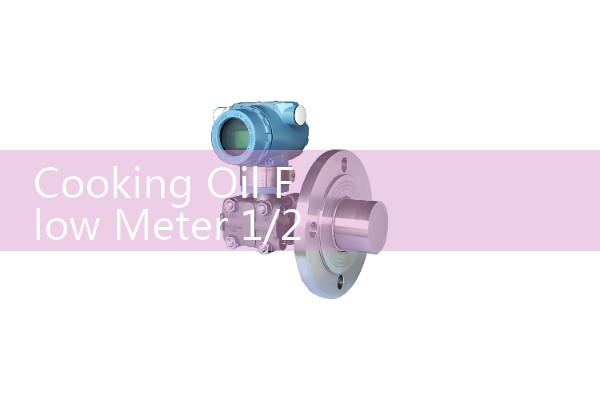
Silver Automation Instruments supplies the SILVER-OG-DN15 oval gear flow meter in 1/2 inch size. Wetted parts are 316L stainless steel and PEEK gears, both FDA‑compliant. The thread options are BSP female, NPT female, or tri‑clamp. The standard pulse output is an open collector reed switch or NPN Hall sensor. You can order a 4‑20 mA HART version if your dosing controller needs an analog signal.
Step‑by‑Step Calibration in a Dosing System
Most engineers skip the zero verification but it is worth five minutes. First, stop the pump and check if the meter produces any pulses. A false signal from vibration or electrical noise can offset batch totals. Then start dosing in manual mode. Set the pump to deliver a nominal 500 ml shot. Collect the actual oil output in a graduated cylinder. Read the meter pulse count over the shot and convert it to volume using the factory K‑factor, e.g., 1,250 pulses per litre. If the meter shows 480 ml but the cylinder says 510 ml, the pump under‑delivers. Adjust the pump stroke or increase the open time in the PLC until both volumes match.
Repeat the test at two other flow rates, for example, 200 ml/min and 1,000 ml/min. Here is the thing: dosing pumps often show more slip at low speed. A flow meter catches that instantly. Once linearity is confirmed across the range, you can set high and low alarms in the PLC to stop production if flow deviates beyond ±2%.
A Real Customer Case from Thailand
A snack seasoning line in Chonburi used a small paddle wheel meter for its chilli oil flavor injection
Key Specifications to Request
When you specify a meter for cooking oil dosing calibration, these numbers matter: Line size: 1/2 inch (DN15). Flow range: 0.2 to 5 L/min. Accuracy: ±0.5% of reading, not full scale. Repeatability: better than 0.1%. Output: 10‑1,000 Hz pulse, or 4‑20 mA with HART. Wetted materials: SS316L, PEEK, and FFKM O‑rings for hot oil up to 120°C. Protection: IP65 minimum; IP67 if washdown is daily. Approvals: CE, and for North American projects, UL Class 1 Div 2 or ATEX Zone 2 if solvents are present.
FAQ
Q: Can I use a Coriolis meter for a 1/2 inch flavour line?
A: Yes, but it costs 5 to 10 times more than an oval gear meter. Coriolis gives direct mass flow and density, which is helpful if you dose by weight. However, for many small plants in Vietnam or Colombia, oval gear offers 80% of the benefit at a fraction of the price.
Q: How does oil temperature affect calibration?
A: Volume changes about 0.07% per °C for vegetable oil. If your calibration is done at 25°C and the process runs at 55°C, the volume expands roughly 2%. Oval gear meters measure volume. You can apply a temperature correction in the PLC if needed.
Q: What is the pulse output type I need?
A: For small dosing systems, we recommend an NPN Hall sensor. It counts low flow down to 0.15 L/min and is immune to contact bounce unlike a reed switch. Supply voltage is 5‑24 VDC. A 10 kΩ pull‑up resistor finishes the signal.
Q: Is the meter CIP compatible?
A: The oval gear meter is not designed for steam‑in‑place sterilization. You can flush it with hot water or cleaning chemicals up to 80°C. For true CIP, a full‑bore electromagnetic flow meter is easier to clean. However, for cold oil lines, the oval gear meter works well with daily flush cycles.
Q: How do I get the meter calibrated from the factory?
A: Silver Instruments performs a 3‑point calibration with a master oval gear meter traceable to national standards. We issue a calibration certificate. Tell us your fluid viscosity and flow range. We can populate the exact K‑factor on the meter tag.
Start with the right data. Send us your cooking oil viscosity at working temperature, the pipe standard (BSP or NPT), the dosing pump minimum flow, and whether you need a pulse or 4‑20 mA output. Our application engineers will select the correct meter and pre‑configure the output for your PLC or batch controller. You can reach us at [email protected] or check the oval gear flow meter PDF at flow-meter.com.au.